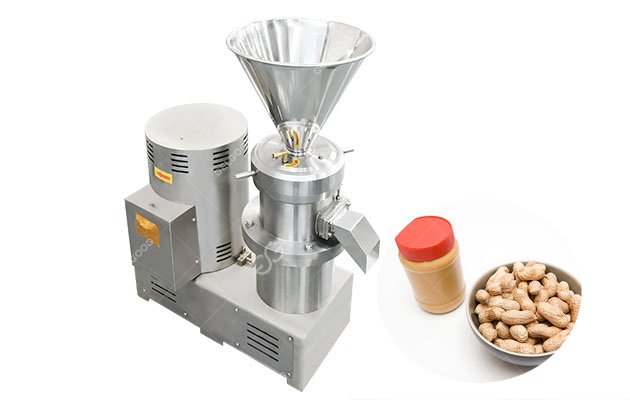
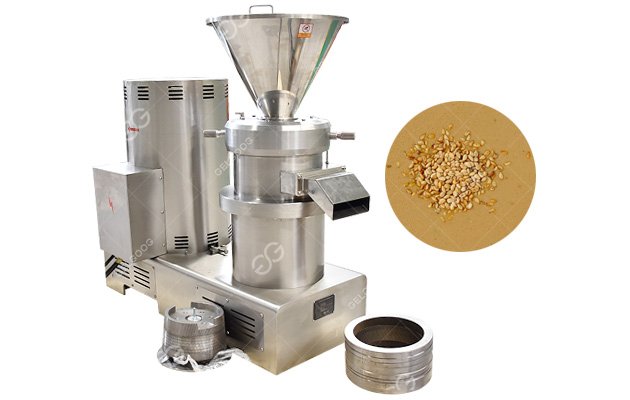
How to Use Colloid Mill Correctly?
In order to make the colloid mill have a longer service life and more stable operation, special attention should be paid to several aspects of operation, maintenance and care. Gelgoog rich experience in producing colloid mill, as a professional supplier, here will show you somme tips to correctly use colloid mill.
1. Pre-Startup Inspection
-
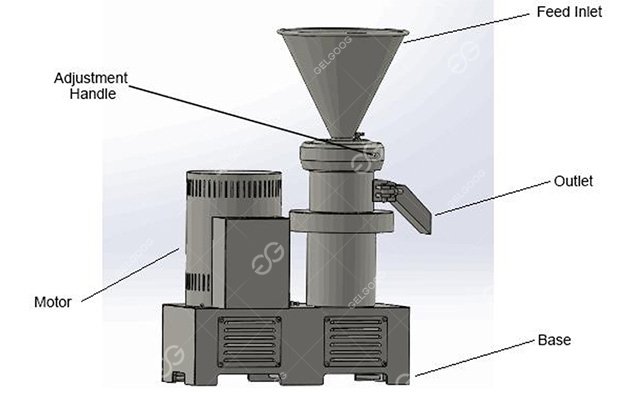
Check the grinding gap: Ensure there is no hard contact between the stator and rotor, and adjust the gap to the appropriate level (avoid overtightening, which may cause wear, or over-loosening, which may affect fineness).
-
Check for foreign matter: Remove any hard objects such as stones, metal, and sand from the peanuts before feeding to prevent damage to the grinding surface.
-
Lubrication: Regularly check the lubricating oil or grease in the bearings and transmission components to maintain proper lubrication.
-
Fastener Inspection: Check for loose bolts, nuts, and guards.
2. Precautions During Use
-
Start the machine before adding material, and stop the machine before shutting it down: This prevents material from getting stuck in the grinding gap during low speed or shutdown.
-
Ensure uniform and continuous feeding: Avoid excessive, instantaneous additions that can cause blockage or motor overload.
-
Prevent idling: Prolonged idling can cause the grinding disc to dry-grind and heat up, accelerating wear.
-
Temperature Control: Peanut butter will heat up during grinding. Use a cooling system if necessary to prevent oil oxidation and flavor degradation.
-
Do not grind dry materials: Colloid mills require a certain amount of moisture or oil in the material; otherwise, the grinding surface will be damaged.
3. Shutdown and Cleaning
-
Shutdown Procedure: First, stop adding materials, let the machine idle for approximately 30 seconds to empty the grinding chamber, then turn off the power.
-
Prompt Cleaning: After grinding, rinse immediately with warm water or a food-grade cleaning solution to prevent residue from drying onto the grinding surface.
-
Avoid Corrosion: After cleaning, wipe or air dry the surface to prevent corrosion caused by prolonged water accumulation on stainless steel parts.
4. Regular Maintenance
-
Grinding Tooth Surface Inspection: Regularly inspect the stator and rotor for wear. If the surface tooth profile is worn flat, replace or regrind it promptly.
-
Bearing Maintenance: Bearings should be regularly greased to maintain smooth operation.
-
Motor Inspection: Monitor motor temperature rise and noise, and promptly repair any abnormalities.
-
Grinding Gap Adjustment: The grinding gap may change after extended operation and requires readjustment.
5. Safe Operation
-
Do not remove the guard or reach into the feed port during operation.
-
Operators must be trained and familiarized with the equipment's performance and emergency procedures before use.
-
The power supply line must be reliably grounded to prevent electrical leakage.
After knowing the above information, you may have a clear understanding of how to use colloid mill correctly. If you need further information about our colloid mill, please contact us freely, we will do our best to cooperate with you.